
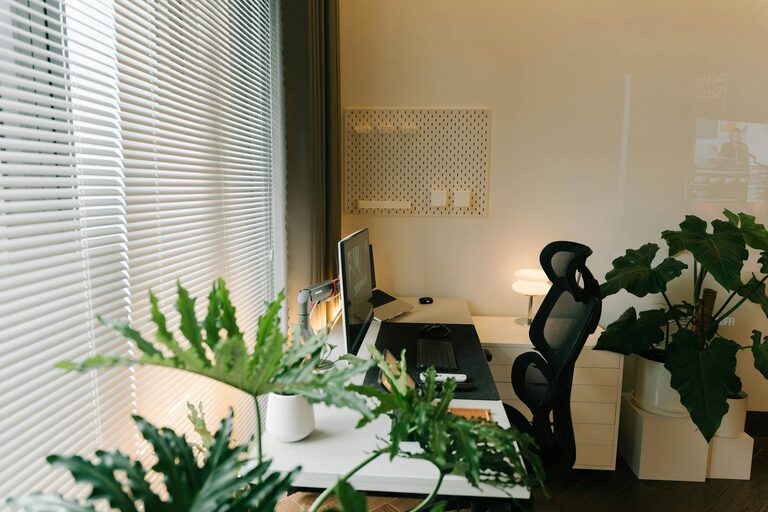
Creating a productive home workspace is essential for anyone working remotely or managing tasks at home. A well-designed environment helps you stay focused, reduces distractions, and maintains your motivation throughout the day. In this post, we’ll explore practical tips to help you create a home workspace that supports your productivity and well-being.
1. Choose the Right Location
Selecting the best spot for your workspace is the foundation of productivity. Ideally, find a quiet area with minimal foot traffic and noise distractions. If possible, use a separate room as your office to help mentally separate work from home life. If space is limited, a designated corner or nook can work well, as long as it’s consistent.
2. Invest in Comfortable and Functional Furniture
Comfort is key when it comes to long working hours. Here’s what to consider:
– Ergonomic Chair: Choose a chair that provides good lumbar support and adjustable features to maintain healthy posture.
– Desk: Pick a desk that suits your needs, whether it’s large enough for your equipment or adjustable in height to switch between sitting and standing.
– Proper Monitor Placement: Position your computer screen at eye level to prevent neck strain.
Comfortable furniture reduces physical discomfort and helps maintain focus longer.
3. Optimize Lighting
Good lighting improves concentration and reduces eye strain. Natural light is the best option, so place your desk near a window if possible. Supplement with adjustable task lighting like a desk lamp for darker hours. Avoid harsh overhead lights or glare on your screen.
4. Keep Your Workspace Organized
Clutter can distract and impede productivity. Here are some organization ideas:
– Use storage solutions like shelves, drawers, or bins to keep documents and supplies tidy.
– Keep only essential items on your desk.
– Regularly declutter your workspace to maintain a clean and inviting atmosphere.
An organized space helps you find what you need quickly and keeps your mind clear.
5. Personalize Your Space Wisely
Adding personal touches can make your workspace enjoyable, but keep it minimal to avoid distractions. Consider:
– A few plants to improve air quality and add a calming effect.
– Motivational quotes or artwork you love.
– A calendar or planner for scheduling.
These elements can uplift your mood and inspire creativity without overcrowding your space.
6. Minimize Digital Distractions
Technology is a double-edged sword. To stay focused:
– Use apps or tools that block distracting websites during work hours.
– Silence non-essential notifications on your devices.
– Organize your computer desktop and files to reduce time wasted searching for things.
Setting digital boundaries helps you maintain a productive workflow.
7. Maintain Good Air Quality and Temperature
A comfortable temperature and fresh air support concentration and comfort. If possible:
– Open windows to let in fresh air.
– Use fans or heaters to adjust the temperature according to your preference.
– Consider an air purifier if air quality is a concern.
Being comfortable physically makes it easier to focus and remain productive.
8. Establish a Routine and Boundaries
Productivity isn’t just about the space but also how you use it. Create clear work hours and break times, and communicate these to others in your household. Having a routine helps your brain associate your workspace with focused work time.
9. Incorporate Movement
Sitting for extended periods isn’t healthy. Integrate small stretches or short walks throughout the day:
– Take quick breaks every hour.
– Consider a standing desk or balance board.
– Do simple desk exercises to stay energized.
Movement refreshes your mind and body, which can improve your productivity over time.
10. Use Sound to Your Advantage
Some people work best in silence, while others benefit from background sounds. Depending on your preference:
– Use noise-canceling headphones to block distractions.
– Play instrumental or ambient music to improve focus.
– Try white noise machines if household sounds are disruptive.
Finding the right audio environment can enhance your concentration.
—
Creating a productive home workspace environment takes some planning and adjustments, but the results are worth it. By carefully selecting your location, investing in comfort, organizing effectively, and maintaining routines, you can transform your home into a place where you accomplish your work goals efficiently and comfortably. Try implementing these suggestions step-by-step to find what works best for you. Happy working!