Creating a productive home workspace is essential, especially as more people embrace remote work or spend significant time on personal projects at home. A well-designed workspace can help you stay focused, reduce distractions, and improve your overall work experience. Whether you have a dedicated room or a small corner, these tips will guide you in setting up an efficient and comfortable home office.
Choose the Right Location
Finding the ideal spot for your workspace is the first step. Consider these factors when selecting a location:
– Quiet and Private: Choose a place away from household noise and foot traffic to minimize interruptions.
– Natural Light: Work near a window if possible. Natural light helps reduce eye strain and boosts mood.
– Space Availability: Assess how much room you have for your desk, chair, and any necessary equipment.
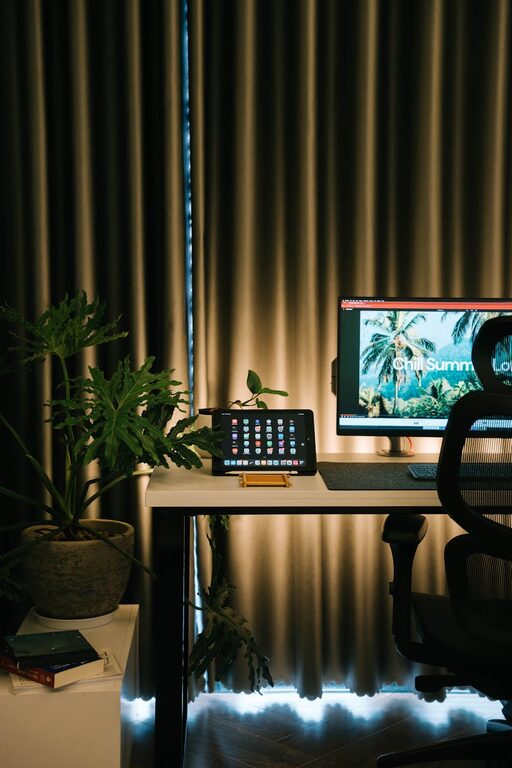
If space is limited, a corner of a living room or bedroom can work, but try to separate your work zone visually using plants, screens, or furniture.
Invest in Comfortable and Functional Furniture
Your furniture impacts your posture and comfort, which in turn affects productivity.
– Ergonomic Chair: A chair with good lumbar support, adjustable height, and comfortable padding reduces back pain.
– Desk Size: Choose a desk that fits your workspace and provides enough surface area for your computer, supplies, and notes.
– Desk Organization: Use organizers, trays, or shelves to keep frequently used items within reach and reduce clutter.
Adjust your setup to ensure your screen is at eye level and your arms rest comfortably when typing.
Optimize Lighting
Lighting influences both your alertness and eye comfort.
– Maximize Natural Light: Position your workspace near windows to benefit from daylight.
– Task Lighting: Add a desk lamp with adjustable brightness to reduce shadows and glare, especially for detailed work.
– Avoid Screen Glare: Arrange your monitor perpendicular to windows or use blinds to control sunlight.
Balanced lighting helps maintain focus and reduces fatigue during work hours.
Minimize Distractions
Creating a distraction-free environment will help maintain concentration and efficiency.
– Organize Cables and Devices: Use cable management tools to avoid tangled cords, which can be distracting.
– Limit Noise: Consider noise-cancelling headphones or white noise machines if you cannot avoid background noise.
– Set Boundaries: Communicate your work hours to family and friends to reduce interruptions.
Keeping your workspace clean also contributes to a distraction-free environment.
Personalize Your Workspace
Adding personal touches makes the space inviting and inspiring.
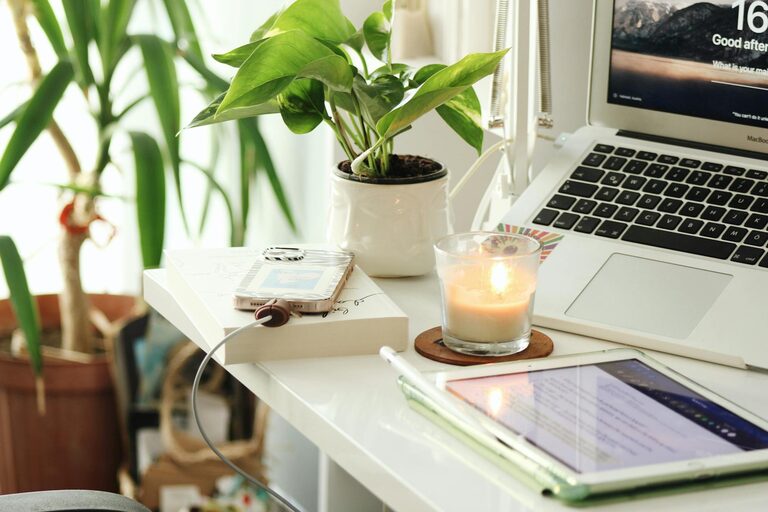
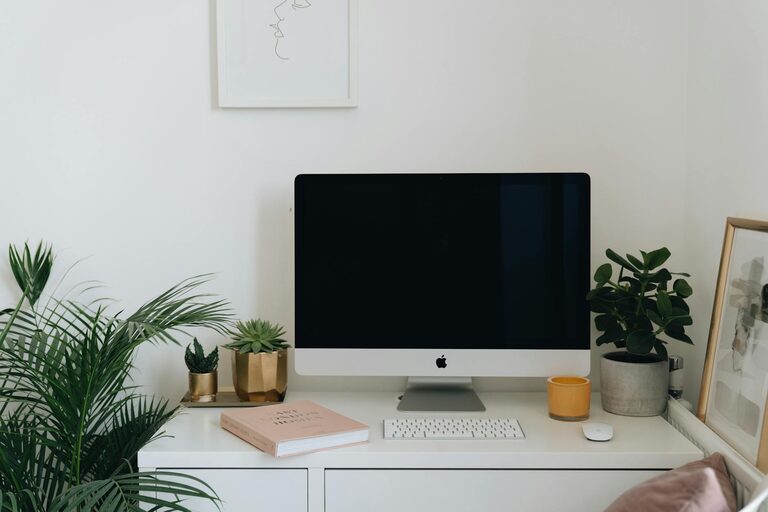
– Decorate Thoughtfully: Include a few favorite pictures, plants, or art pieces without overcrowding the area.
– Use Color Wisely: Choose colors that energize or calm you depending on your work style. Soft blues and greens are often soothing.
– Add Inspiration: Keep motivating quotes or notes visible to encourage productivity.
A personalized workspace feels welcoming and can boost motivation.
Arrange for Good Air Quality and Temperature
Comfort goes beyond furniture and lighting—air quality and temperature are vital.
– Ventilation: Open windows periodically or use air purifiers to ensure fresh air circulation.
– Temperature Control: Use fans, heaters, or adjust your thermostat to maintain a comfortable temperature during work hours.
A comfortable environment supports your focus and well-being.
Plan for Storage and Cable Management
Clutter can hinder productivity, so a neat space is crucial.
– Storage Solutions: Use filing cabinets, shelves, or storage bins to organize documents and supplies.
– Digital Organization: Keep your computer files organized to save time locating documents.
– Cable Organizers: Use clips, sleeves, or under-desk trays to keep cables out of sight.
A tidy workspace helps keep your mind clear and focused.
Establish a Routine and Boundaries
Your workspace will be most productive when paired with good work habits.
– Set Work Hours: Define specific start and end times to separate work from personal time.
– Take Breaks: Use the Pomodoro technique or regular breaks to recharge and avoid burnout.
– End-of-Day Ritual: Organize your desk and plan for the next day before finishing work.
Routine strengthens the effectiveness of your physical workspace.
—
By carefully designing your home workspace using these tips, you’ll create an environment that supports concentration, creativity, and comfort. Remember, the best workspace suits your personal needs and encourages a positive work mindset. Start with small changes, and over time, you’ll notice a significant improvement in your productivity and work satisfaction.